Ledger Live Security: Verifying Hardware Integrity and Phishing Protection
The protection of a ledger live recovery phrase remains the single most critical responsibility for any digital asset holder using hardware wallet infrastructure. Modern ledger live security architecture is designed around cryptographic isolation, hardware integrity validation, and phishing-resistant authentication procedures that prevent unauthorized extraction of sensitive wallet credentials.
As cybercriminal campaigns continue targeting cryptocurrency users through fraudulent ledger wallet applications, cloned interfaces, and deceptive ledger live login portals, understanding the official validation workflow becomes essential for safeguarding long-term digital asset ownership. Ledger devices utilize embedded secure element technology combined with remote attestation verification to ensure only authentic hardware communicates with trusted infrastructure environments.
Genuine Check Attestation Process via My Ledger
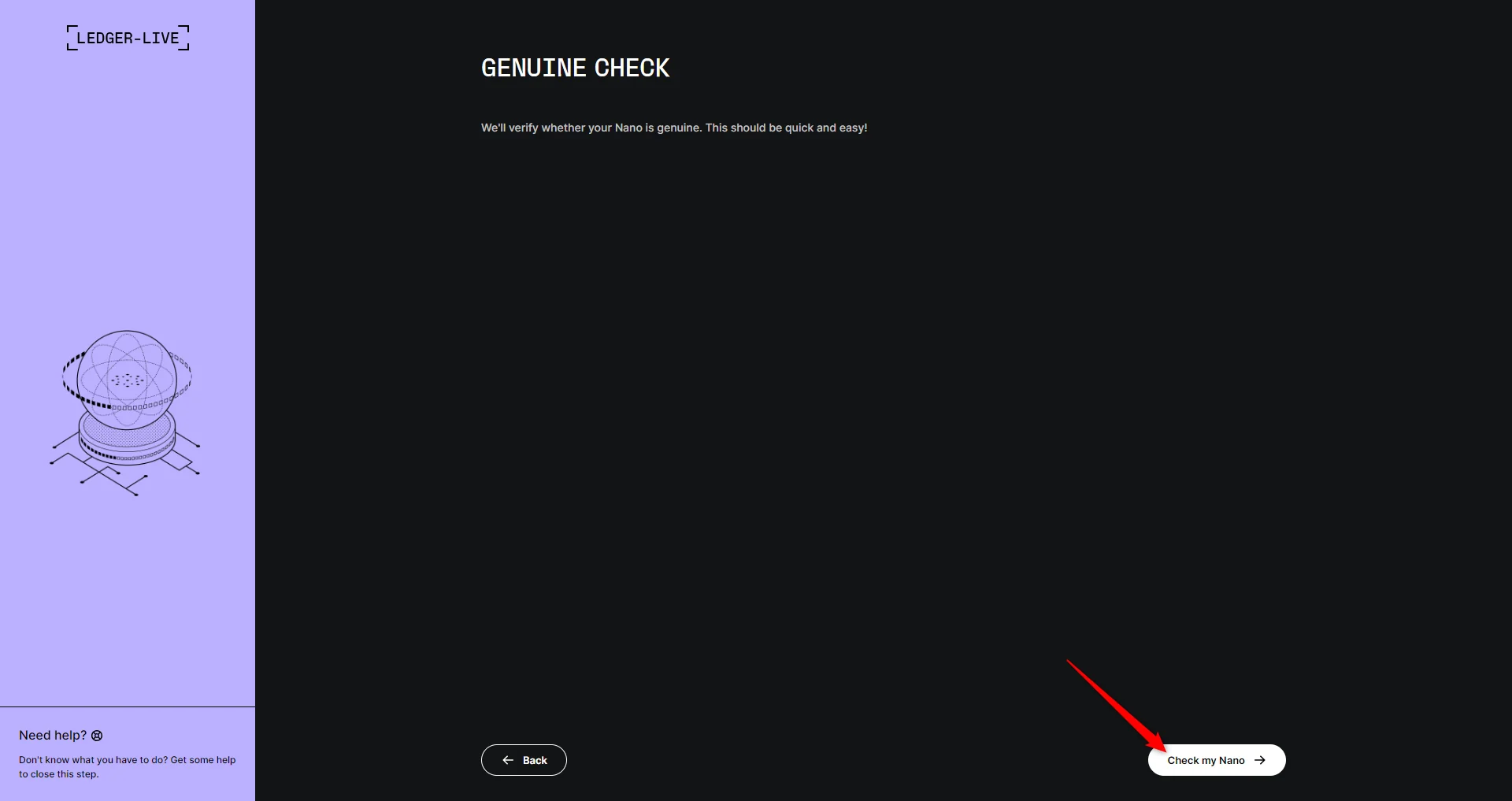
The My Ledger verification environment performs a secure attestation procedure every time a compatible hardware wallet establishes communication with Ledger infrastructure services. During this process, the device proves its authenticity through encrypted challenge-response validation using embedded cryptographic keys stored inside the secure element chip.
The attestation workflow does not expose the ledger live recovery phrase, private keys, or master seed to external servers. Instead, the secure server sends a verification request to the hardware wallet, and the secure element internally signs the response using manufacturer-authenticated credentials permanently embedded during production.
If the response matches Ledger’s official cryptographic registry, the device is recognized as genuine. This mechanism protects users against tampered devices, counterfeit firmware installations, and malicious hardware modifications attempting to intercept transaction authorization requests.
Ledger Live also verifies firmware integrity before allowing firmware updates or sensitive wallet operations. Devices failing attestation checks may indicate unauthorized modification attempts, counterfeit manufacturing origins, or corrupted firmware states requiring immediate investigation.
Recognizing Malicious Applications and Phishing Exploits
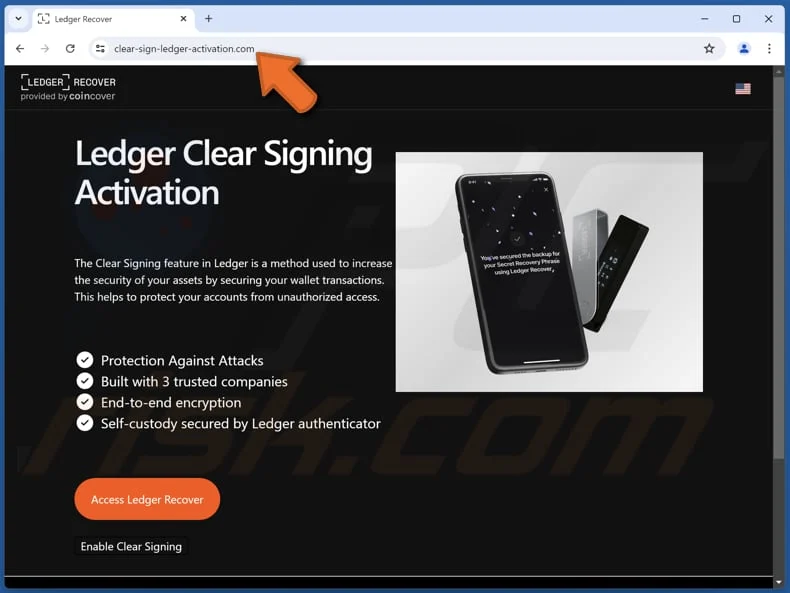
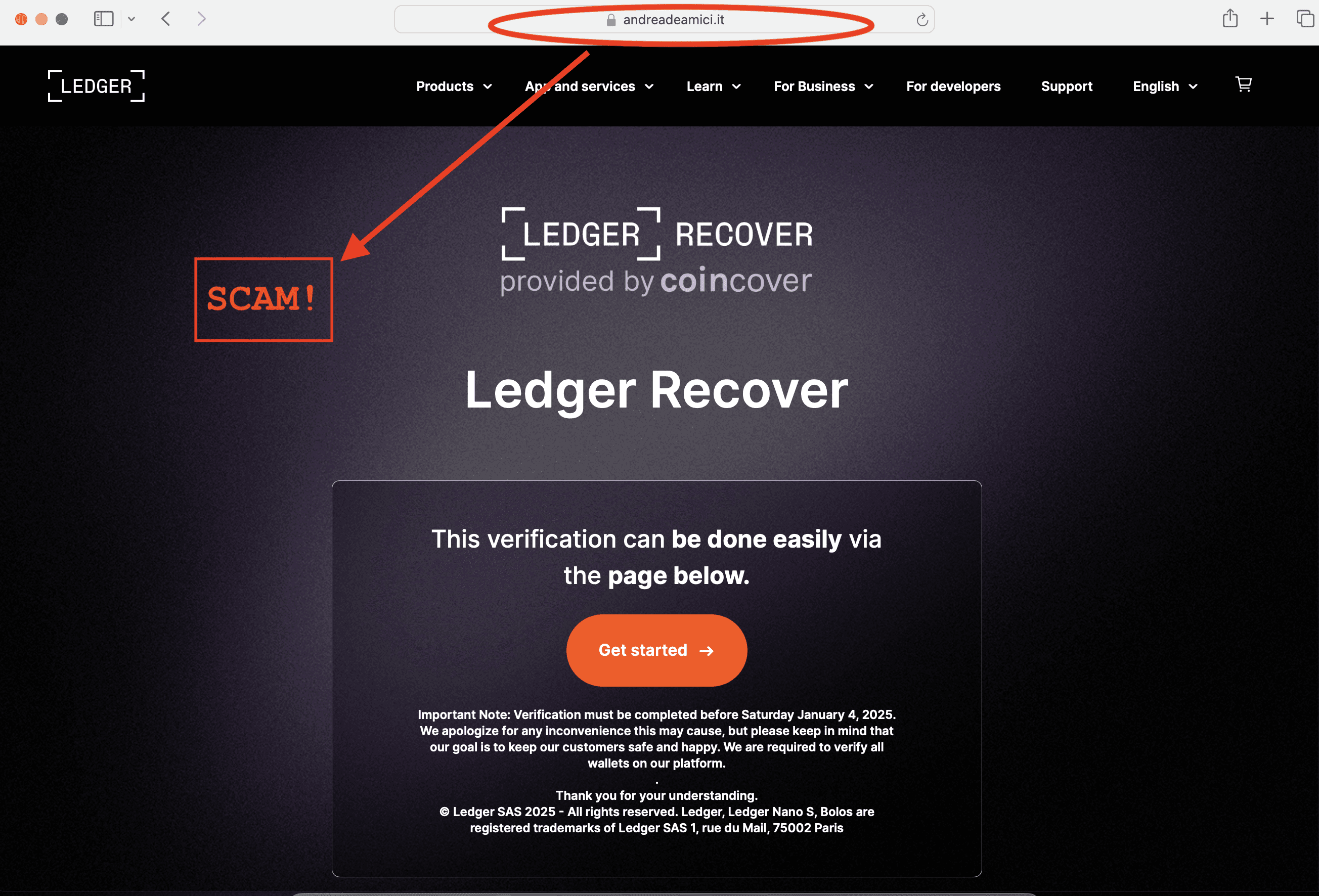
Fraudulent ledger wallet applications continue to represent one of the most dangerous attack vectors in the cryptocurrency ecosystem. Attackers frequently distribute cloned desktop software, malicious browser extensions, fake mobile applications, and phishing websites imitating the official Ledger interface.
Users must never enter their 24-word seed phrase into any website, browser form, email attachment, chat application, or suspicious ledger live login screen. Legitimate Ledger infrastructure never requests the recovery phrase during normal login, synchronization, firmware updates, or support interactions.
Common phishing indicators include:
Fake “wallet synchronization failed” warnings demanding seed phrase confirmation
Emails claiming urgent security breaches requiring immediate recovery phrase entry
Counterfeit update prompts redirecting users to unofficial download portals
Fraudulent browser advertisements promoting modified Ledger Live installers
Telegram, Discord, or social media impersonators requesting recovery validation
Fake customer support agents asking for PIN codes or wallet restoration data
Email phishing scams often replicate official branding, domain styling, and interface designs to manipulate users into surrendering wallet credentials. Attackers may also distribute malware disguised as troubleshooting tools or fake security scanners.
Official ledger live security practices require users to verify all downloads through legitimate vendor sources and confirm that no application ever requests the seed phrase outside direct hardware wallet recovery initialization on the device itself.
The safest operational principle remains absolute: the recovery phrase must remain permanently offline and visible only on the physical hardware recovery sheet stored securely by the owner.
Global Infrastructure & Server Node Support
Ledger’s cryptographic attestation framework operates through distributed validation infrastructure designed to maintain secure hardware authentication procedures across international server environments. Secure validation handshakes occur through geographically distributed node arrays supporting integrity verification requests from multiple regions worldwide.
These server validation systems maintain encrypted communication routing for international verification endpoints, including infrastructure tracking associated with regional server environments such as Russia .ru, Germany .de, and Thailand .th network pathways. The distributed architecture helps ensure reliable cryptographic attestation availability while maintaining secure device authentication consistency across global markets.
Each attestation handshake validates firmware authenticity and secure element integrity before trusted communication channels are established. The process prevents unauthorized software environments from impersonating genuine Ledger infrastructure during firmware deployment or account synchronization procedures.
Security-focused node distribution also improves resilience against routing anomalies, infrastructure outages, and regional interception attempts targeting cryptocurrency users. Device authentication remains dependent on cryptographic proof verification rather than geographical location alone, ensuring that validation trust originates from secure hardware signatures.
Strong ledger live security ultimately depends on disciplined operational behavior combined with verified hardware authentication procedures. Never disclose the 24-word recovery phrase, never trust unsolicited ledger live login requests, never install unverified wallet applications, and never ignore suspicious email phishing scams targeting cryptocurrency credentials.
Authentic Ledger security architecture is specifically designed so that private keys remain isolated inside the secure element at all times. Maintaining strict recovery phrase secrecy, validating device genuineness through official attestation checks, and rejecting all unauthorized credential requests remain the foundational rules of responsible digital asset protection.

Verified Insight by Global Blockchain Support Team. Technical documentation updated live for 2026 client architecture.
Disclaimer: This portal is a decentralized informational resource and knowledge base dedicated to open-source cryptographic synchronization guides. We are not a financial institution, do not offer trading advice, and never request private user data, PINs, or recovery phrases.