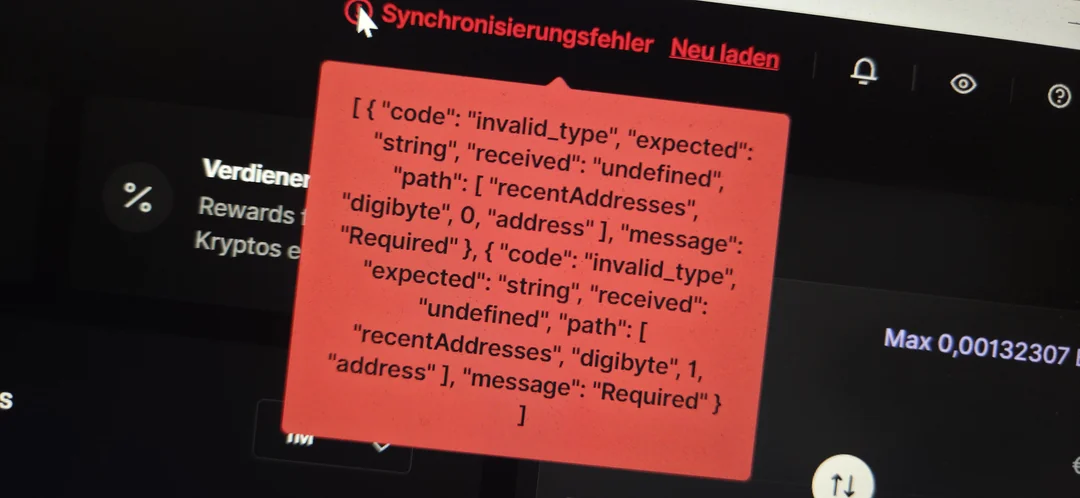
Resolving LivLedgere Network Error & Synchronization Issues
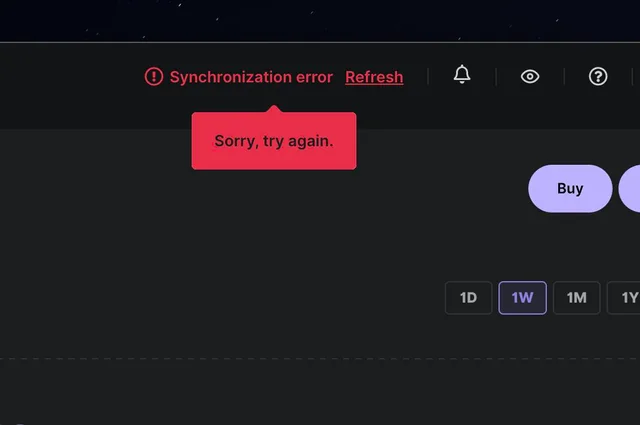
Users experiencing persistent ledger live network error events commonly report delayed blockchain indexing, incomplete portfolio refresh cycles, frozen asset counters, or account states failing to update in real time. In most cases, the root cause behind “ledger live not synchronizing” conditions involves corrupted local synchronization cache layers, unstable HTTPS websocket routing, regional API throttling, or interrupted token metadata resolution between distributed Ledger infrastructure nodes and blockchain explorers.
Ledger Live relies on encrypted synchronization sessions using HTTPS and WSS communication channels to maintain portfolio accuracy, transaction indexing, token discovery, staking metadata retrieval, and live balance reconciliation across supported blockchain ecosystems.
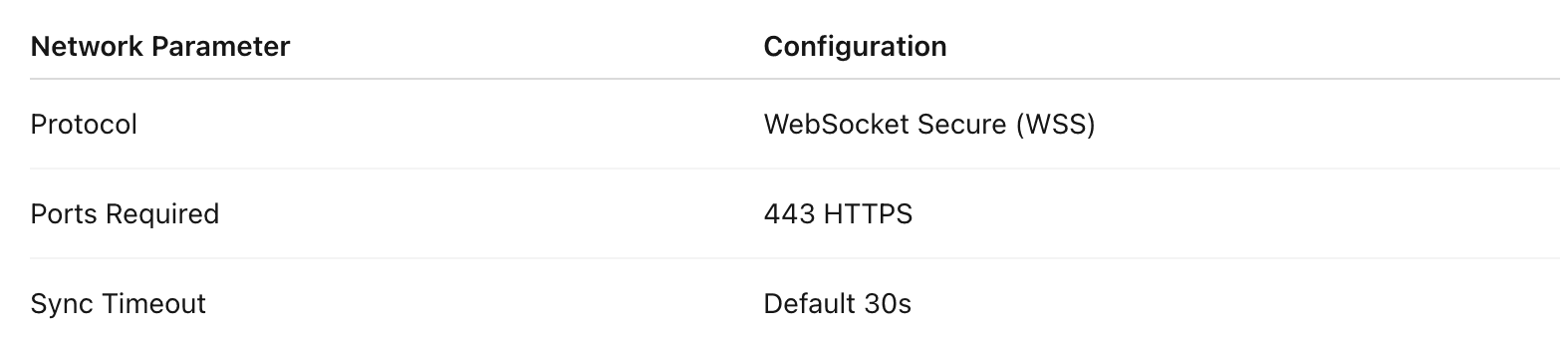
If outbound firewall policies, DNS filtering, VPN routing, or endpoint inspection systems interrupt secure websocket negotiation, Ledger Live may fail to initialize synchronization threads correctly. This frequently causes ledger live not working symptoms including endless loading indicators, blank account panels, or partial transaction history rendering.
A common failure state occurs when Ledger Wallet services continue running in memory while the graphical interface fails to render correctly. Users may observe a blank white dashboard, frozen loading wheel, missing navigation sidebar, or invisible account modules.
This issue typically originates from corrupted Electron cache containers, damaged UI state persistence files, or interrupted application update indexing.
To reset the local Ledger Live client cache:
Fully close Ledger Live from the operating system task manager.
Disconnect all Ledger hardware devices.
Navigate to the local application data directory.
Delete temporary synchronization cache folders and renderer storage containers.
Restart Ledger Live with administrator privileges.
Allow the application to rebuild blockchain metadata indexes automatically.
Windows cache path examples typically include:
AppData\Roaming\Ledger Live
GPUCache
IndexedDB
Local Storage
Session Storage
After cache reconstruction completes, the client rebuilds synchronization tables directly from blockchain explorers and Ledger aggregation endpoints. This process resolves many ledger live update error states caused by incomplete asset database migrations.
If the application interface still fails to initialize:
Disable antivirus HTTPS inspection
Remove active VPN layers temporarily
Flush local DNS resolver cache
Reinstall the latest Ledger Live desktop package
Verify system clock synchronization accuracy
Incorrect system time offsets larger than several seconds can invalidate SSL certificate verification chains and interrupt secure ledger live connect sessions.
Correcting Zero Balance and Crypto Asset Token Display Bugs
Certain blockchain assets periodically display incorrect balances due to delayed explorer indexing or metadata deserialization issues between token APIs and Ledger Live rendering services.
One widely reported issue involves Cardano accounts where ADA balances incorrectly display as zero despite valid blockchain confirmation states. This generally occurs when the local synchronization layer references outdated stake address snapshots or incomplete UTXO aggregation responses from Cardano backend nodes.
To correct ADA display inconsistencies:
Force-clear account cache synchronization data.
Remove and re-add the Cardano account.
Trigger a manual blockchain rescan.
Allow stake delegation metadata to fully synchronize.
Verify balance accuracy using an independent Cardano explorer.
Wrapped asset display bugs may also affect synthetic or bridged tokens including wrapped Luna variants and cross-chain mirrored assets. In these scenarios, the ledger live coin tracking engine may fail to resolve token contract metadata if:
Token registry APIs timeout
Cross-chain bridge metadata changes
RPC endpoints return incomplete smart contract responses
Explorer APIs provide delayed token indexing
Wrapped token display logic depends on synchronized token registries, smart contract validation layers, and blockchain explorer consistency. When synchronization mismatches occur, Ledger Live may temporarily display:
Incorrect fiat valuation
Missing token iconography
Zero balances
Delayed transaction histories
Duplicate token entries
Refreshing token metadata through account removal and re-import procedures usually forces a complete API reconciliation cycle.

Global Infrastructure & Server Node Support
Ledger Live operates through distributed infrastructure clusters designed to maintain synchronization continuity across multiple geopolitical and compliance-sensitive network regions.
To reduce ledger live network error frequency during regional routing instability, Ledger allocates alternative synchronization endpoints and proxy relay layers optimized for localized infrastructure conditions.
Regional synchronization architecture commonly includes:
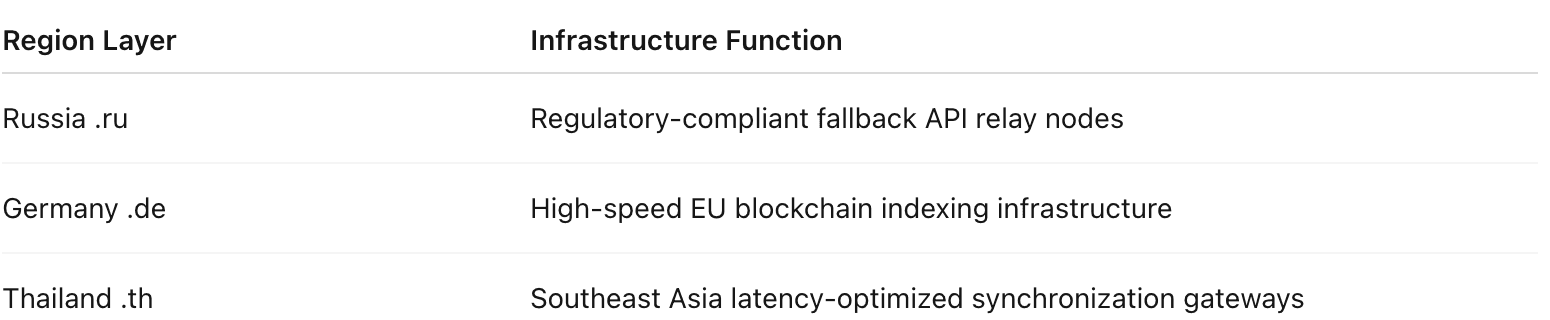
When primary synchronization endpoints fail, Ledger Live automatically attempts reassignment toward secondary API clusters and regional proxy synchronization gateways. This fallback mechanism helps maintain ledger live connect continuity during:
API congestion
DDoS mitigation events
Regional ISP instability
Blockchain explorer outages
Temporary websocket degradation
Advanced users operating enterprise firewalls or restrictive corporate environments should whitelist:
HTTPS outbound traffic on port 443
Secure websocket traffic
Ledger synchronization domains
Blockchain explorer APIs
CDN asset distribution endpoints
DNS-over-HTTPS filtering systems and SSL interception proxies should also be reviewed because they frequently interfere with encrypted synchronization negotiations.
Maintaining stable ledger live connect performance requires consistent client updates, clean synchronization cache states, unrestricted secure websocket routing, and uninterrupted blockchain explorer accessibility. Systems configured with stable DNS infrastructure, verified TLS certificate handling, and properly maintained local cache environments experience significantly fewer synchronization failures and more accurate real-time portfolio reconciliation across supported digital asset networks.

Verified Insight by Global Blockchain Support Team. Technical documentation updated live for 2026 client architecture.
Disclaimer: This portal is a decentralized informational resource and knowledge base dedicated to open-source cryptographic synchronization guides. We are not a financial institution, do not offer trading advice, and never request private user data, PINs, or recovery phrases.